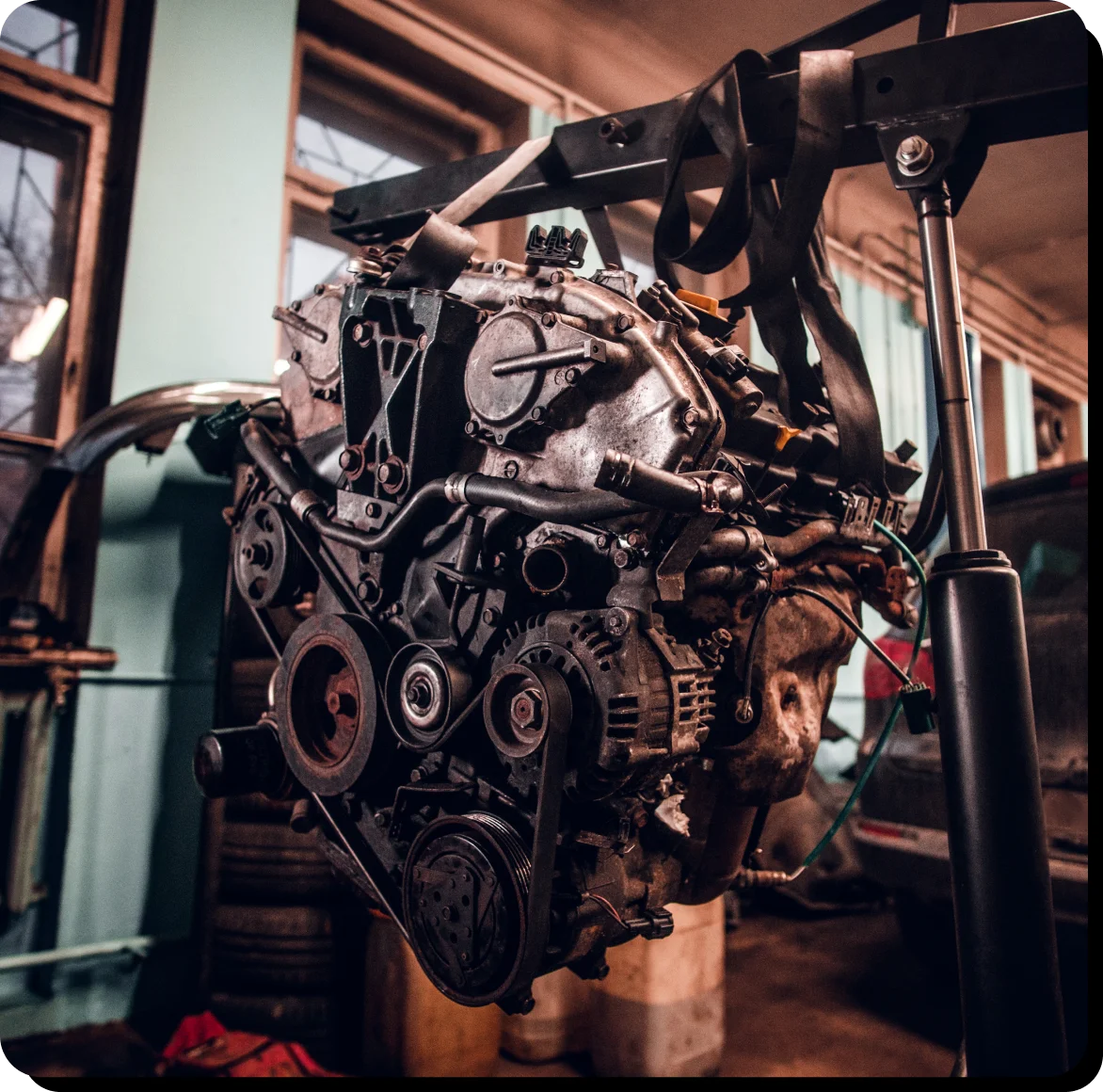
Diesel engines are built tough, but they're not indestructible. These are common symptoms behind the calls drivers and fleet operators make across the Charlotte and Columbia metros. Understanding the pattern can help you describe the problem clearly and avoid guessing at a part.
Quick Navigation
1. Hard Starting or Won't Start
Symptoms:
- Engine cranks but won't fire
- Long cranking before starting
- Starts then immediately dies
- Worse in cold weather
Systems a technician may check:
- Starting circuit: Batteries, cables, grounds, command, and starter operation
- Fuel delivery: Fuel level, filters, lines, pressure, and air entering the system
- Engine inputs: Wiring, sensors, enable conditions, and available fault information
- Cold-start system: The manufacturer-specific starting aids and procedure
- Mechanical condition: Only after the electrical, fuel, and control paths support that direction
Useful next step:
First say whether the engine does not crank, cranks but will not start, or starts and dies. Record the dash message or fault code and avoid repeated long cranking attempts. Our diesel no-start guide explains the distinction, and mobile diagnostics can work through the system involved.
2. Loss of Power
Symptoms:
- Sluggish acceleration
- Can't maintain highway speeds
- Black smoke under load
- Poor pulling power
Systems a technician may check:
- Clogged Air Filter: Restricts airflow, causing rich running
- Dirty Fuel Filter: Limits fuel delivery under load
- Turbo Problems: Boost leaks or turbo failure
- Injector Issues: Poor spray pattern or clogging
- EGR Malfunction: Excessive exhaust recirculation
Useful next step:
Note whether the power loss appears at idle, under load, on a grade, or with a warning or derate. Filter condition, air and boost paths, fuel delivery, aftertreatment, wiring, sensors, and engine controls need to be connected to the symptom before parts are replaced. Start with mobile diesel diagnostics.
3. Excessive Smoke (Black, White, or Blue)
Black Smoke:
- Possible direction: Airflow, boost, fuel delivery, injector, or engine-control concerns
- Useful context: Whether it appears at idle, acceleration, or under load
White Smoke:
- Possible direction: Unburned fuel, cold-start conditions, coolant, or another combustion problem
- Useful context: Engine temperature, odor, coolant level when cold, and warning information
Blue Smoke:
- Possible direction: Oil entering the intake or combustion path
- Useful context: Oil level, recent service, turbo or boost symptoms, and when the smoke appears
4. Engine Overheating
Symptoms:
- Temperature gauge in red zone
- Steam from hood
- Coolant loss
- Reduced power
Systems a technician may check:
- Coolant Leaks: Check hoses, radiator, and water pump
- Thermostat Stuck: Prevents coolant circulation
- Clogged Radiator: Restricts heat dissipation
- Fan Clutch Failure: Inadequate airflow
- Head Gasket Failure: Compression entering cooling system
Useful next step:
Pull over safely and follow the truck or engine warning guidance. Do not open a hot, pressurized cooling system. Use our overheating and coolant-loss guide for the immediate safety and dispatch steps. Mobile cooling-system service owns the diagnosis and repair path for leaks, pressure, airflow, fan, circulation, sensors, and related engine concerns.
5. Oil Leaks
Common Leak Points:
- Valve-cover area: One possible upper-engine leak path
- Oil Pan: Road damage or worn gasket
- Front or rear engine area: A leak location that may require facility work
- Turbo Oil Lines: High pressure area
- Oil Cooler: Can mix oil with coolant
Useful next step:
Record the fluid color, location, amount, oil-pressure warning, and whether the level is changing. A few drops and an active low-pressure warning are not graded by the same rule. Follow the engine warning guidance and stop safely when pressure, temperature, braking, steering, or fire risk is involved.
6. Turbocharger Failure
Warning Signs:
- Loss of power
- Excessive oil consumption
- Loud whining or grinding noise
- Blue/black smoke
- Check engine light
Causes of Turbo Failure:
- Oil Starvation: Delayed oil changes or low oil
- Foreign Object Damage: Air filter failure
- Overheating: Shutting down hot engine
- Worn Bearings: Age and mileage
Useful next step:
Follow the engine manufacturer’s oil, filter, warm-up, cooldown, and inspection schedule. A whistle, smoke, oil use, low boost, and power loss can also come from hoses, charge-air leaks, sensors, fuel, or aftertreatment, so diagnosis should come before a turbo replacement decision.
7. Fuel Contamination
Types of Contamination:
- Water: Most common and destructive
- Dirt/Debris: Clogs injectors and filters
- Microbial Growth: "Diesel bug" in tanks
- Wrong Fuel: Gasoline in diesel tank
Symptoms:
- Rough idle or missing
- Power loss
- Hard starting
- Injector failure
- Fuel system corrosion
Solutions:
Stop operating the engine if the wrong fuel or significant water contamination is suspected. The next step is to isolate the source, inspect the filters and water separator, and determine how far the contamination has traveled. Tank draining, fuel disposal, or a full-system cleaning may require a shop or specialist. Our mobile fuel-system service can diagnose no-start, filter, line, pressure, and fuel-delivery concerns and tell you when a shop or specialist is needed. See the focused guide to water in diesel fuel symptoms for the warning signs to watch.
8. DPF Regeneration Issues
Common DPF Problems:
- Frequent regeneration requests
- Regeneration won't complete
- Check engine light
- Reduced fuel economy
- Power limitation (limp mode)
Causes:
- Short Trips: Engine doesn't get hot enough
- Faulty Sensors: Incorrect readings trigger issues
- Poor Fuel Quality: Excess soot production
- EGR Problems: Increases soot load
Solutions:
Follow the regeneration instructions for your truck and do not ignore repeated warnings. A failed regeneration, persistent warning, or derate needs the distinctions in our DPF, DEF, and derate guide and aftertreatment diagnostics before anyone assumes a regeneration or repair will solve it.
9. Fuel Injector Problems
Symptoms of Bad Injectors:
- Rough idle
- Knocking or pinging
- Increased fuel consumption
- Black smoke
- Hard starting
Injector Failure Causes:
- Contaminated Fuel: Damages precision components
- Water in Fuel: Causes corrosion
- Poor Fuel Quality: Leaves deposits
- Normal Wear: High-pressure operation wears components
Diagnosis and Repair:
Injector symptoms can overlap with filters, air in fuel, pressure, wiring, sensors, compression, and other engine-control concerns. Fuel-pressure information, fault codes, balance or contribution information when available, wiring checks, and the manufacturer procedure help determine whether an injector is actually the repair.
10. EGR Valve Failures
EGR Problem Indicators:
- Rough idle
- Knocking sounds
- Increased emissions
- Check engine light
- Reduced fuel economy
Common EGR Issues:
- Carbon Buildup: Valve sticks open or closed
- Cooler Failure: Overheats intake air
- Sensor Problems: Incorrect operation
Useful next step:
Record the code, warning, operating condition, coolant loss, smoke, or power change. EGR valves, coolers, sensors, wiring, intake conditions, and aftertreatment faults can overlap, so maintenance and repair should follow the engine manufacturer’s procedure rather than a universal cleaning interval.
Preventing Diesel Engine Problems
Maintenance lowers avoidable risk when it follows the exact truck, engine, duty cycle, and manufacturer schedule:
- Oil and filters: Use the specified products and normal or severe-duty interval that fits the operation
- Fuel system: Service filters and separators on the model-specific schedule and investigate repeated restriction or water warnings
- Air system: Inspect filters, intake piping, and charge-air connections as the manufacturer specifies
- Coolant: Use the correct coolant and testing schedule for the engine and cooling system
- Records: Track mileage or hours, defects, work performed, and the next due service by unit
When to Call for Help
Some problems need immediate professional attention:
- Sudden loss of oil pressure
- Metallic knocking sounds
- Coolant in oil (milky appearance)
- Won't start after multiple attempts
- Check engine light with reduced power
Don't risk further damage. Call us:
(980) 990-2722Stay Ahead of Problems
Understanding these common diesel engine problems helps you recognize early warning signs. Regular maintenance and prompt attention can keep a small symptom from becoming a larger failure. When problems arise, diagnosis helps identify the affected system before parts are replaced.
Keep this guide handy and save our number for mobile diesel service across the Charlotte and Columbia metros. Call with the exact vehicle or equipment, location, symptoms, and warning information so dispatch can confirm the next step.
