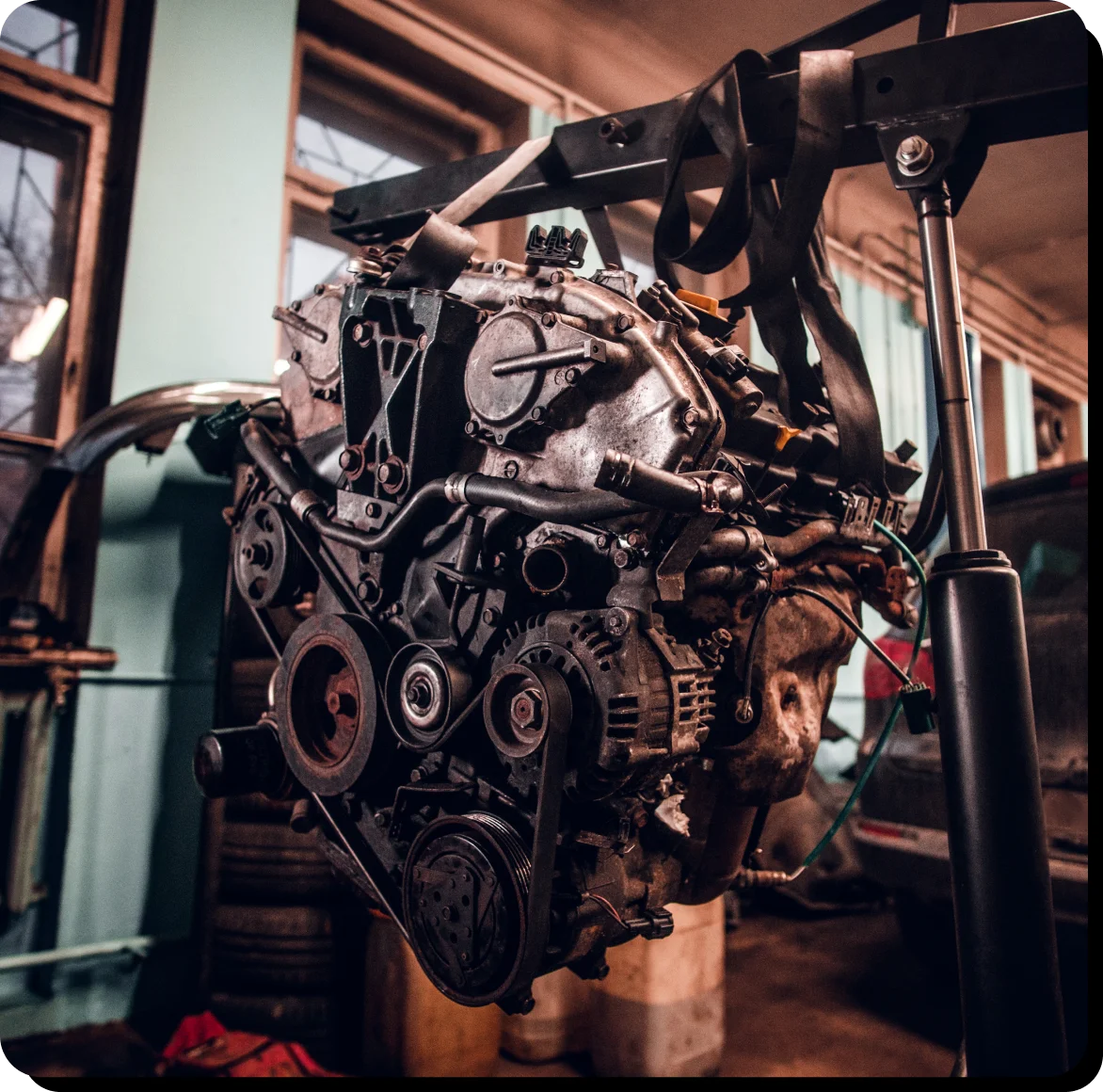
“It won't start” can describe several different failures. The most useful first fact is whether the engine does not crank, cranks but will not run, or starts and then dies. That distinction gives a technician a better starting point than a guessed part.
In This Guide
1. The Engine Does Not Crank
Turn the key or use the start control and listen carefully. No-crank means the starter is not turning the engine. The dash may stay bright, dim, click, show a starting message, or appear dead.
A technician may need to work through battery state, cable and ground condition, voltage drop, fuses, relays, starter command, starter circuit, shutoff or interlock inputs, and damaged wiring. On some truck configurations, a neutral, clutch, starting-sequence, or starter-protection condition can also block cranking.
2. The Engine Cranks but Will Not Start
Crank-no-start means the starter turns the engine but combustion does not begin. The batteries and starting circuit can still matter because cranking speed and voltage affect engine controls, but fuel delivery, air, sensors, wiring, security or enable inputs, and engine-control faults move higher on the diagnostic list.
Tell dispatch whether the cranking sounds normal, whether the truck recently had fuel-filter or battery work, what the fuel gauge shows, and whether a warning or fault code appeared. Do not pour fuel or flammable starting fluid into the intake, and do not use repeated long cranking attempts.
3. The Engine Starts and Then Dies
A truck that starts and stops is different from one that never fires. Note how long it runs, whether throttle changes the symptom, whether a warning appears first, and whether the problem began after fueling, filter service, electrical work, or a period of sitting.
Fuel restriction, air entering the fuel system, voltage loss, wiring, shutdown logic, sensor inputs, and other engine-control conditions can overlap here. The sequence matters more than a generic list of common parts.
What to Tell Dispatch
- Safe location and access details
- Truck year, make, model, VIN, and engine when available
- No-crank, crank-no-start, or starts-then-dies
- Dash power, clicks, warning wording, and fault codes
- Whether a jump attempt changed the symptom
- Fuel level and recent battery, starter, fuel-filter, wiring, or engine work
- Whether the symptom is constant or intermittent
- Truck, trailer, load, and clearance details that affect safe access
A clear dash photo or short video can help when it does not expose a license plate, VIN, invoice, or other private information.
When Mobile Diagnosis Fits—and When a Tow May Be Better
Mobile electrical diagnosis, fuel-system service, and engine diagnostics can begin where the truck sits. The service path depends on the symptom found rather than the customer's first guess.
Unsafe roadside access, major internal damage, programming, shop-only equipment, or a repair that cannot be completed with the available parts and conditions may require a tow or facility. We will tell you when that is the correct next step.
Truck Down Now?
Call with the safe location, truck information, and whether the engine cranks. Dispatch will confirm coverage and the next step.
Call 24/7 Dispatch: (980) 990-2722Diesel No-Start FAQs
What is the difference between no-crank and crank-no-start?
No-crank means the starter is not turning the engine. Crank-no-start means the starter turns the engine, but the engine does not begin running. Those two symptoms start different diagnostic paths.
Does a no-start always mean the battery is bad?
No. A battery, cable, ground, starter circuit, interlock, fuel-delivery fault, wiring problem, sensor, or engine-control condition can produce a no-start. The first step is to identify what the truck does when the key or start control is used.
Should I keep trying to crank a diesel truck that will not start?
Do not use repeated long cranking attempts. Follow the truck and engine starting instructions. Repeated attempts can drain the batteries, overheat the starter, or hide useful information about the original symptom.
Can a mobile mechanic diagnose a diesel no-start?
Mobile diagnosis can begin with the symptom, battery and starting circuit, fault information, wiring, fuel delivery, engine inputs, and accessible system tests. What can be repaired on site depends on the fault, parts, location, and safety conditions.
